General pest control covers the common crawling insects and occasional invaders that enter homes and businesses. These pests show up because of food, moisture, shelter, entry points, or seasonal pressure. Treatment is most effective when it targets the conditions that support the pest — not just the individual bugs you can see.
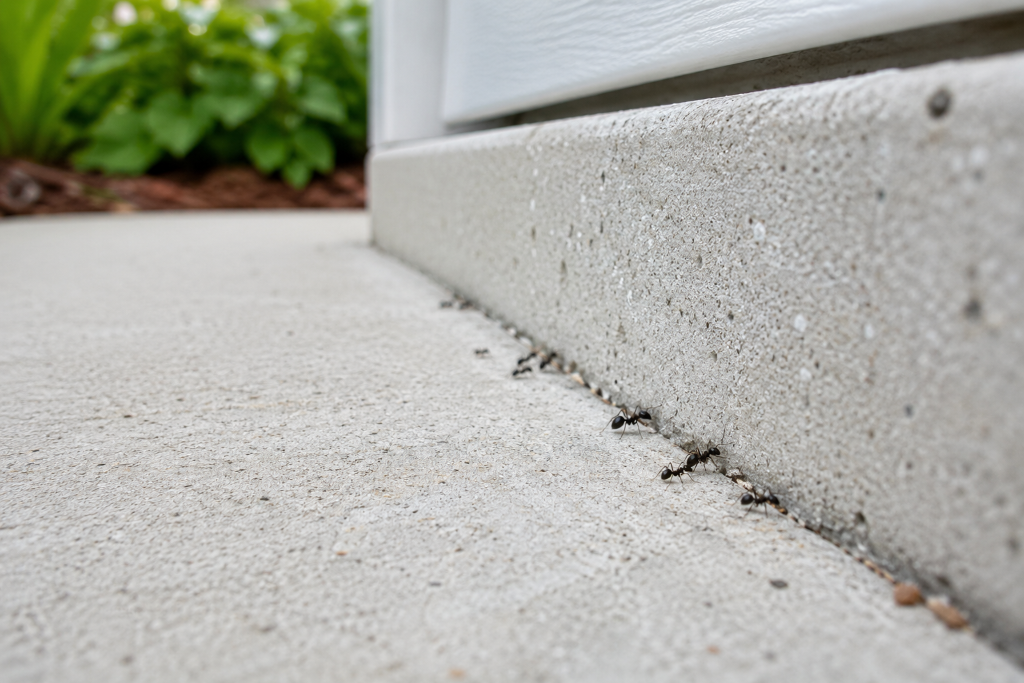
Ants are one of the most common pest complaints in homes and businesses. What you see trailing across the kitchen counter or along the bathroom baseboard is typically a small fraction of the colony. The rest are hidden — in soil, mulch, wall voids, pavement cracks, or moisture-damaged wood.
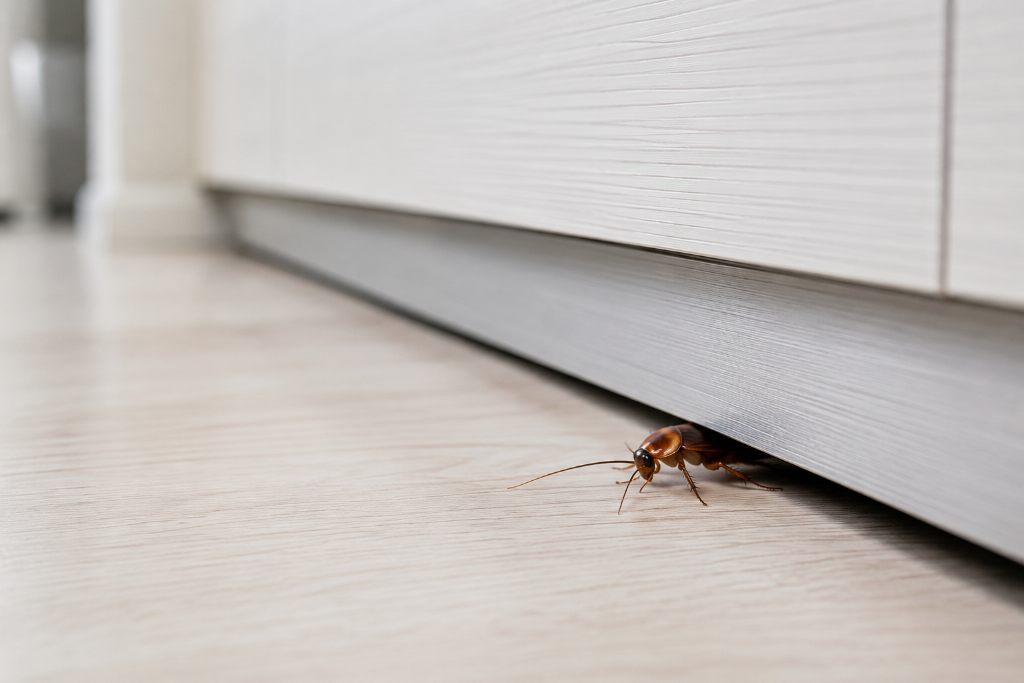
Roaches hide in cracks, appliances, cabinet hinges, wall voids, drains, and warm, moist areas that most people never inspect. German cockroaches reproduce rapidly — a small population can become a serious infestation within weeks. Roaches are not always a sign of a dirty home. They can enter through grocery bags, boxes, shared walls, drains, and used appliances.
Spiders often appear because other insects are present. If you have a spider problem, there is usually a prey insect population supporting it. Web-building spiders and hunting spiders behave differently, but both respond to reducing their food supply and access points.
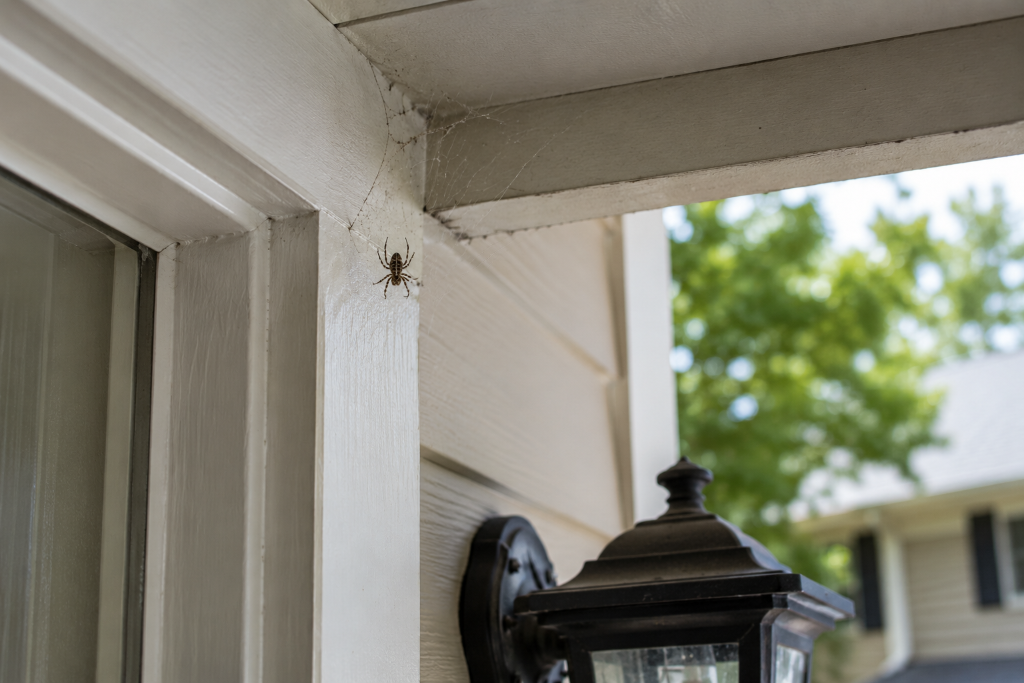
Silverfish thrive in damp, undisturbed environments. They feed on paper, cardboard, wallpaper paste, book bindings, and starchy materials. Finding silverfish usually indicates excess humidity or poor ventilation in bathrooms, basements, attics, or storage areas.
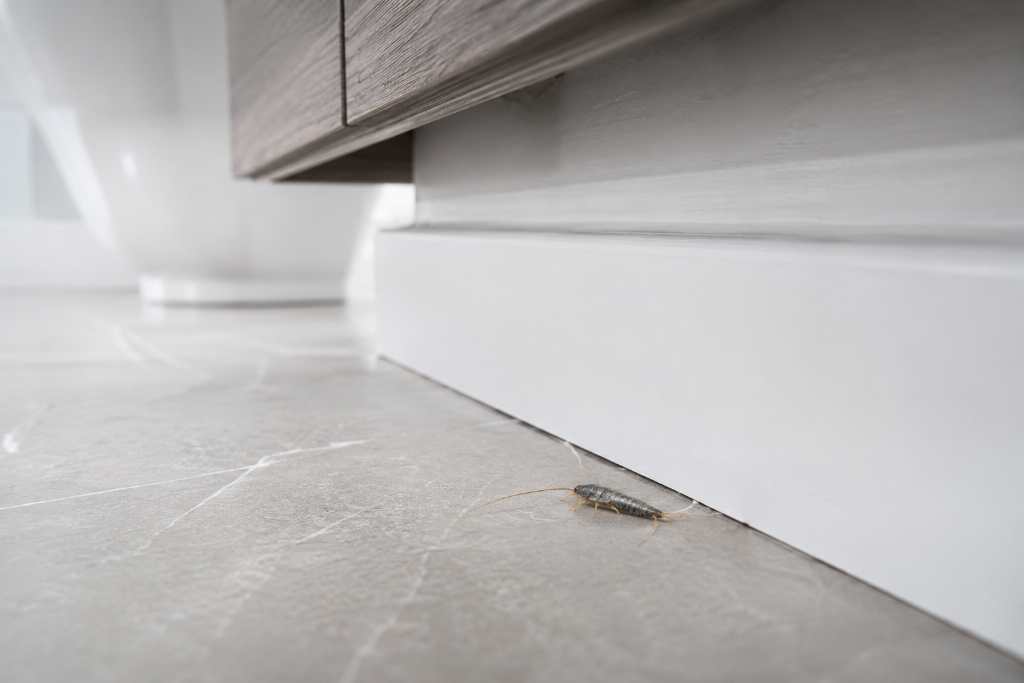
Earwigs are moisture-loving pests commonly found in damp mulch, under landscaping debris, and around foundation walls. They typically enter homes by accident through foundation cracks and gaps around doors, especially during wet or hot weather.
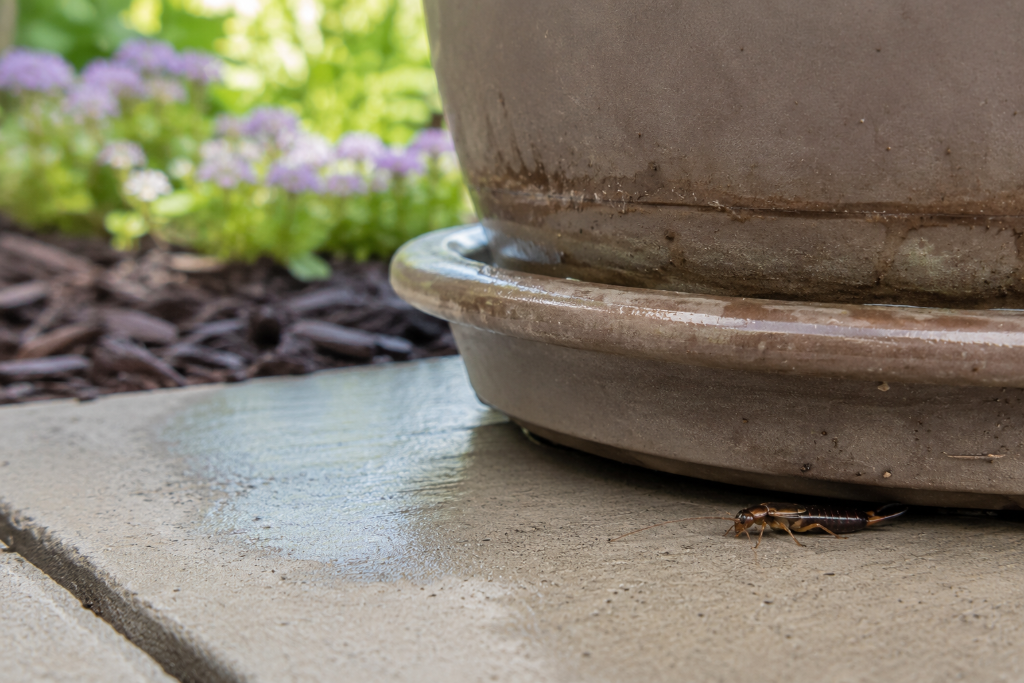
House centipedes are predators that hunt other insects. If you are seeing centipedes regularly, it usually means moisture levels are high and prey insects like silverfish, roaches, or small spiders are present.
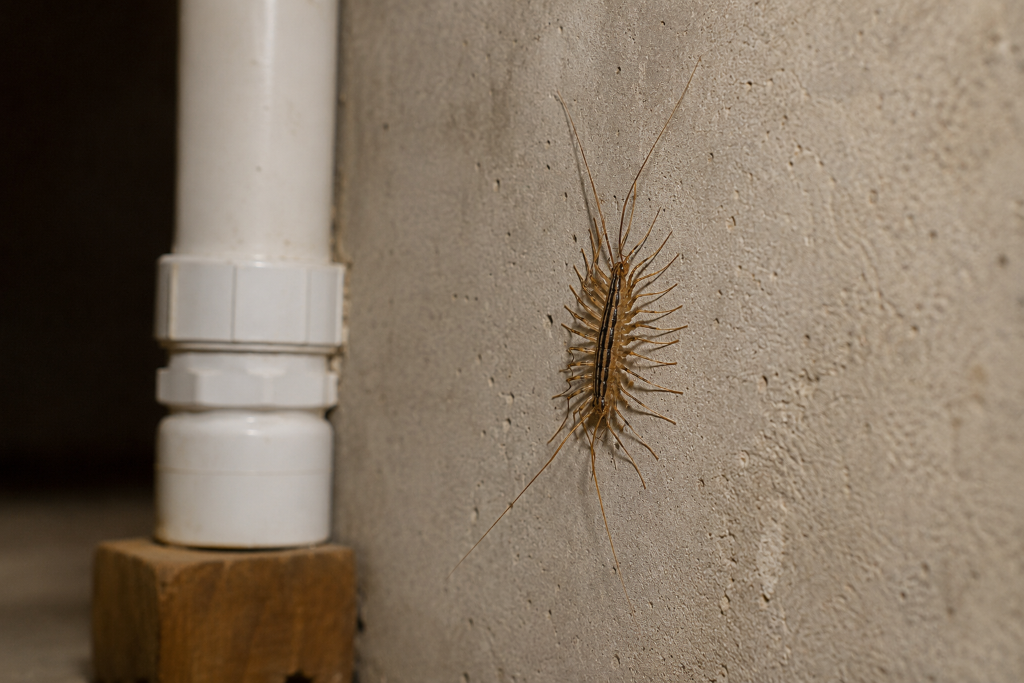
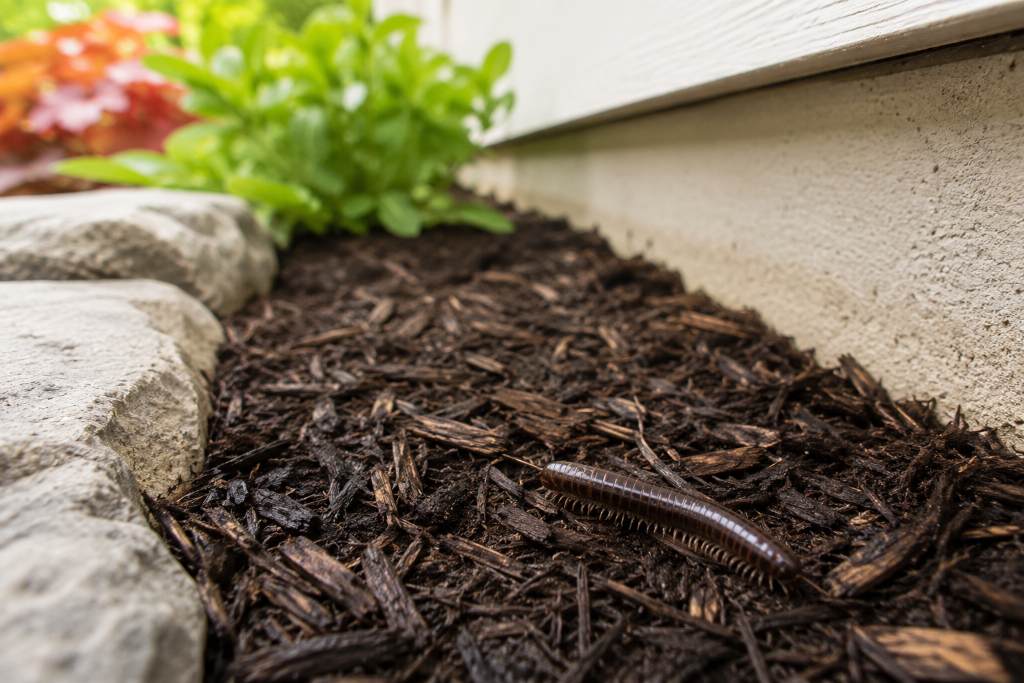
Millipedes live in damp exterior habitats — leaf litter, mulch beds, flower pots, and low-lying areas with poor drainage. They often migrate indoors in large numbers during heavy rain, drought stress, or seasonal changes.
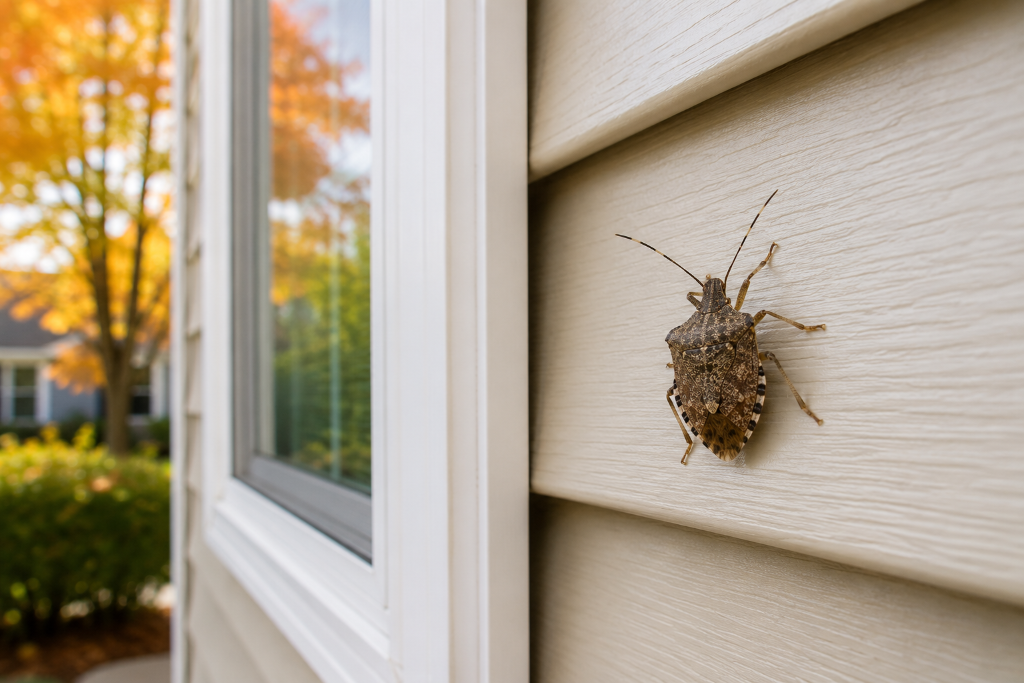
Stink bugs typically invade homes in the fall as temperatures drop. They are looking for sheltered overwintering sites and enter through gaps around windows, siding, soffits, attic vents, and utility lines. Once inside walls and attic spaces, they can emerge throughout the winter on warm days.
A product kills the pest it contacts. But if the conditions that attracted the pest remain unchanged — open entry points, moisture, food access, harborage materials — new pests replace the ones you just treated. Lasting control depends on reducing the overall “pest pressure” on the structure.
That is why every general pest control visit includes a look at the conditions around the property, not just the pests inside it. We recommend changes that reduce pressure so treatments last longer and problems happen less often. Learn more about our approach to residential pest control and commercial pest control.
Entry Points
Moisture
Food Sources
Harborage
Stop chasing bugs one at a time. Let us inspect your property and build a treatment plan that addresses the source.
We Bug Bugs Pest Control serves homeowners and businesses throughout our local service area and nearby communities. Whether you are dealing with ants in the kitchen, roaches in a rental unit, rodents in the attic, termites near the foundation, mosquitoes in the yard, fleas or ticks around pets, or wasps near an entryway, we can inspect the issue and recommend the right treatment plan.